How to Tell When a Raccoon Problem Is More Than a Small Nuisance
If you hear loud noises in your attic, see torn trash bags every morning, or notice damage near your roofline, you may need professional raccoon removal. Raccoons can cause serious harm to your home and put your safety at risk. Some small problems can be handled with basic steps. But certain warning signs mean it is time to call trained experts instead of trying to fix it alone.
Quick Diagnosis Summary
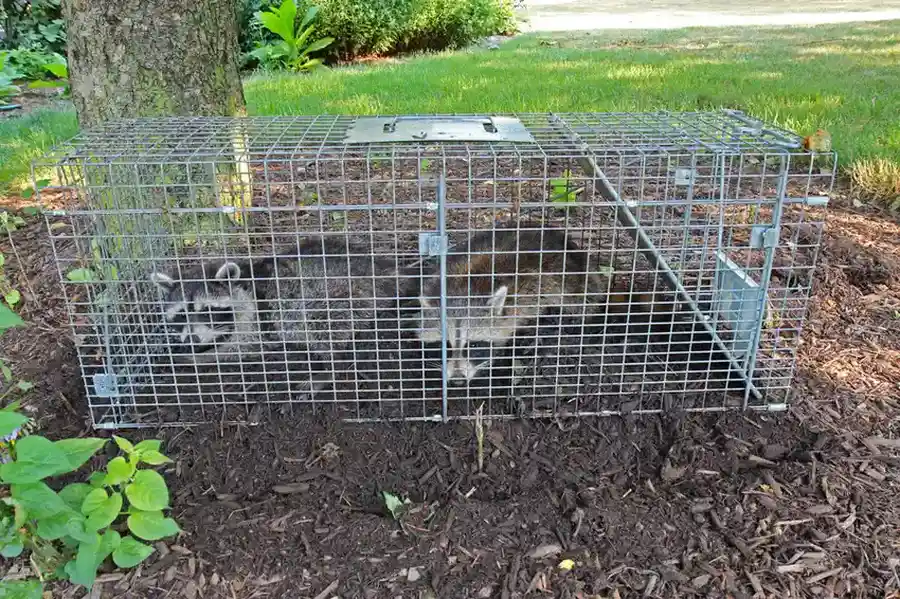
Raccoons are strong, smart animals. They can rip shingles, chew wiring, and tear insulation. If the problem keeps coming back or feels out of control, that is a strong sign you need professional raccoon removal services. The longer you wait, the more damage they can cause inside walls, attics, and crawl spaces.
Common Symptoms of a Serious Raccoon Problem
Not sure if your problem is minor or serious? Look for these clear signs:
- Loud thumping or scratching at night
- Foul smells coming from walls or ceilings
- Droppings in the attic or garage
- Damaged vents or roof shingles
- Baby raccoon sounds, like high-pitched chirping
- Raccoons seen during the daytime near your home
Daytime activity often means the animal is desperate or sick. Baby sounds usually mean a nest is inside your home. Both cases require careful handling and safe wildlife control methods.
Likely Causes of Raccoon Infestations
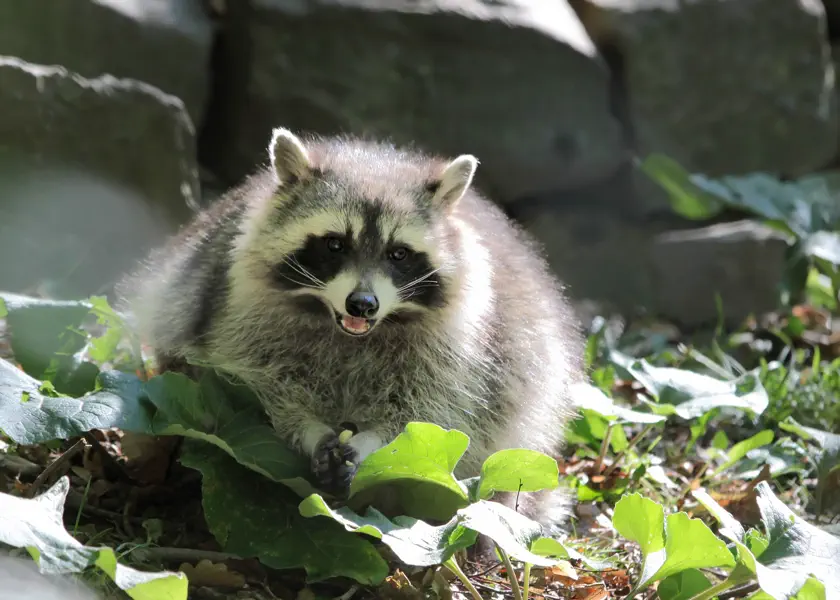
Raccoons look for easy food and safe shelter. Homes provide both. Open garbage bins, pet food left outside, and low-hanging roofs invite them closer. Once they find a weak spot, they use their strong paws to pry it open.
Common entry points include:
- Loose soffits or fascia boards
- Broken attic vents
- Chimneys without caps
- Gaps under decks or sheds
In colder months, raccoons search for warm spaces to raise their young. Your attic may feel like the perfect safe place.
What to Check First
Before calling for raccoon removal, inspect your property from the ground. Do not climb onto the roof yourself. Look for visible damage or holes. Check your trash area and secure all lids tightly. Remove outdoor food sources.
If you see a raccoon inside your home during the day, keep your distance. Close interior doors and keep pets away. Never try to trap or corner the animal on your own.
Safe Fixes Vs Pro-Level Fixes
Some small prevention steps are safe for homeowners. These include sealing trash bins, installing motion lights, and trimming tree branches away from the roof.
However, larger problems require expert raccoon removal. Professional teams handle:
- Safe animal trapping and removal
- Baby raccoon searches and reunions
- Damage repair and entry point sealing
- Sanitation of contaminated areas
Raccoons can carry diseases like rabies and roundworms. Their droppings can spread bacteria. Without proper gear and training, cleanup can be risky.
Prevention Tips for the Future
After the animals are gone, prevention is key. Regular home checks can stop a repeat problem.
- Inspect your roof and vents twice a year.
- Install chimney caps and heavy-duty vent covers.
- Store garbage in sealed containers.
- Bring pet food indoors at night.
- Seal small gaps around your foundation.
Routine maintenance lowers the chance of another invasion. Wildlife control is not just about removal. It also focuses on blocking future entry.
Final Recommendation and Next Steps
If you notice repeat activity, strong odors, or structural damage, it is time to act quickly. Raccoons can destroy insulation, chew wiring, and create fire risks. Waiting often leads to higher repair costs. If you live in Columbia, SC and suspect a raccoon problem, we can help. At Watford's Wildlife Trapping Of Columbia, we handle raccoon removal safely and humanely. Call us at (803) 570-8095 to schedule an inspection and protect your home from further damage.