How Professional Wildlife Control Protects Your Home and Family
Health risks addressed by raccoon removal services include the spread of disease, exposure to harmful droppings, and injury from aggressive animals. When raccoons nest in attics, crawl spaces, or sheds, they leave behind waste and parasites that can affect your family and pets. Fast action lowers these risks and helps keep your home safe.
Quick Diagnosis Summary
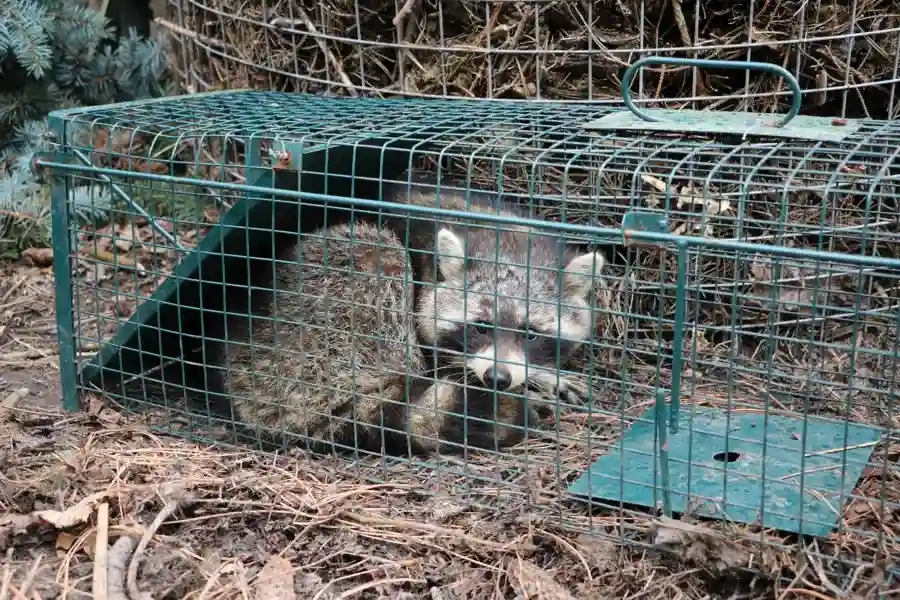
If you hear scratching in the attic, find overturned trash, or notice strong smells inside walls, raccoons may be living on your property. The biggest concern is not just the noise. It is the health threats they bring with them. Raccoon removal helps reduce contact with contaminated areas and lowers the chance of illness.
Common Symptoms of a Raccoon Problem
Raccoons are smart and active at night. Many homeowners do not see them right away. Instead, they notice warning signs around the house.
- Loud thumping or scratching sounds after dark
- Droppings found in attics, garages, or yards
- Strong ammonia-like odors from urine
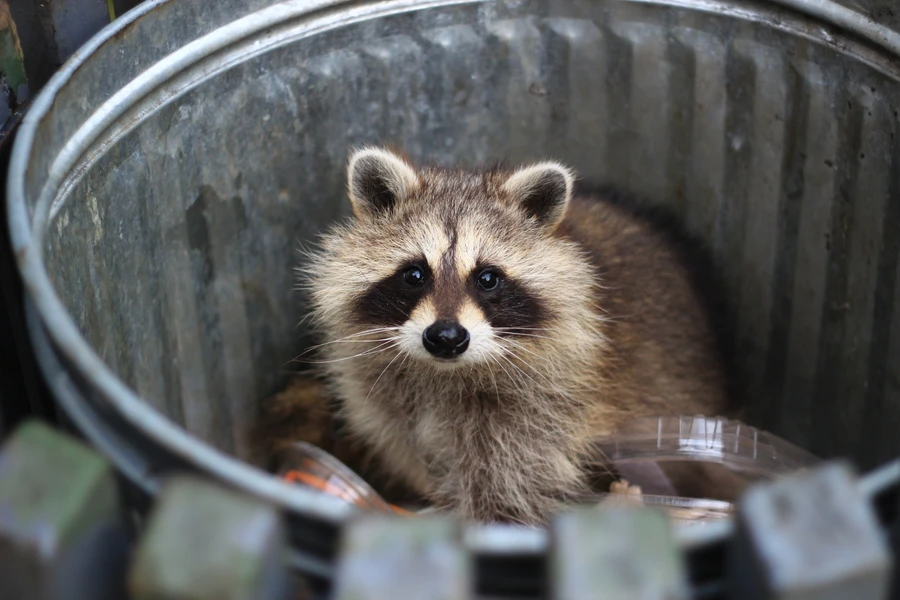
- Tipped trash cans or scattered pet food
- Damage to shingles, vents, or soffits
These signs often mean raccoons have made a nest nearby. The longer they stay, the higher the health risk becomes.
Likely Causes of Health Risks
Raccoons carry bacteria, viruses, and parasites. When they enter a home, they leave germs behind in their saliva, urine, and feces. Dry droppings can break apart and mix with dust. People may breathe in these tiny particles without knowing it.
Roundworm is one of the most common concerns. Raccoon feces can hold roundworm eggs that survive in soil for years. Pets and small children face the highest risk because they play close to the ground.
Raccoons can also carry rabies. While not every raccoon has rabies, a bite or scratch from an infected animal can spread the virus. Fleas and ticks living on raccoons may move into your home as well.
In many cases, these problems start because raccoons find easy shelter. Open attic vents, loose roofing, pet food left outside, or unsecured trash cans all attract wildlife. Without proper animal control, the situation can grow quickly.
What to Check First
If you suspect raccoons, inspect your property from a safe distance. Do not approach the animal.
- Look for entry holes along the roofline or foundation.
- Check attic insulation for flattened areas or droppings.
- Secure trash lids and remove outdoor food sources.
- Keep pets inside at night.
Avoid touching any waste you find. Even dried droppings can be unsafe. Simple cleaning with household tools may spread germs instead of removing them.
Safe Fixes Versus Professional-Level Fixes
Some homeowners try loud noises or bright lights to scare raccoons away. These short-term methods rarely solve the problem. If babies are present, the mother will work harder to return. Sealing an entry hole without checking inside can trap animals in walls, leading to odor and more contamination.
Professional raccoon removal follows a safer process. Trained technicians locate all entry points, remove the animals using proper equipment, and check for dependent young. They also clean and sanitize affected areas. This step matters because it reduces bacteria, parasites, and lingering smells that attract other wildlife.
In severe cases, damaged insulation or wood may need replacement. A team experienced in wildlife and pest control knows how to restore the space so it is safe to use again.
Prevention Tips for Long-Term Health Protection
Once raccoons are removed, prevention keeps your home safer in the future.
- Install heavy-duty vent covers on attic openings.
- Repair loose shingles and gaps along the roof.
- Store trash in sealed containers.
- Clean up fallen fruit from yards.
- Avoid leaving pet food outside overnight.
Regular home checks help catch small issues before they turn into infestations. Blocking access early reduces the need for major cleanup later.
When to Call for Expert Help
You should contact professionals if you see a raccoon during the day acting strangely, find large amounts of droppings, or suspect a nest with babies. Strong odors from walls or ceilings also point to a serious issue. Trying to handle wildlife alone can lead to bites, scratches, or direct contact with harmful waste.
Raccoon removal is about more than taking an animal off your property. It is about protecting indoor air quality, reducing disease risk, and keeping your household secure. Fast service lowers the chance of long-term contamination and structural damage.
Get Help Protecting Your Property
If you live in Columbia, SC and have noticed signs of raccoons, we are ready to help with safe and thorough raccoon removal. At Watford's Wildlife Trapping Of Columbia, our team focuses on removing wildlife, cleaning affected areas, and helping prevent future problems. Call (803) 570-8095 today to schedule an inspection and let us restore safety to your home.